How to Choose the Best Roof Sealants and Coatings for Longevity
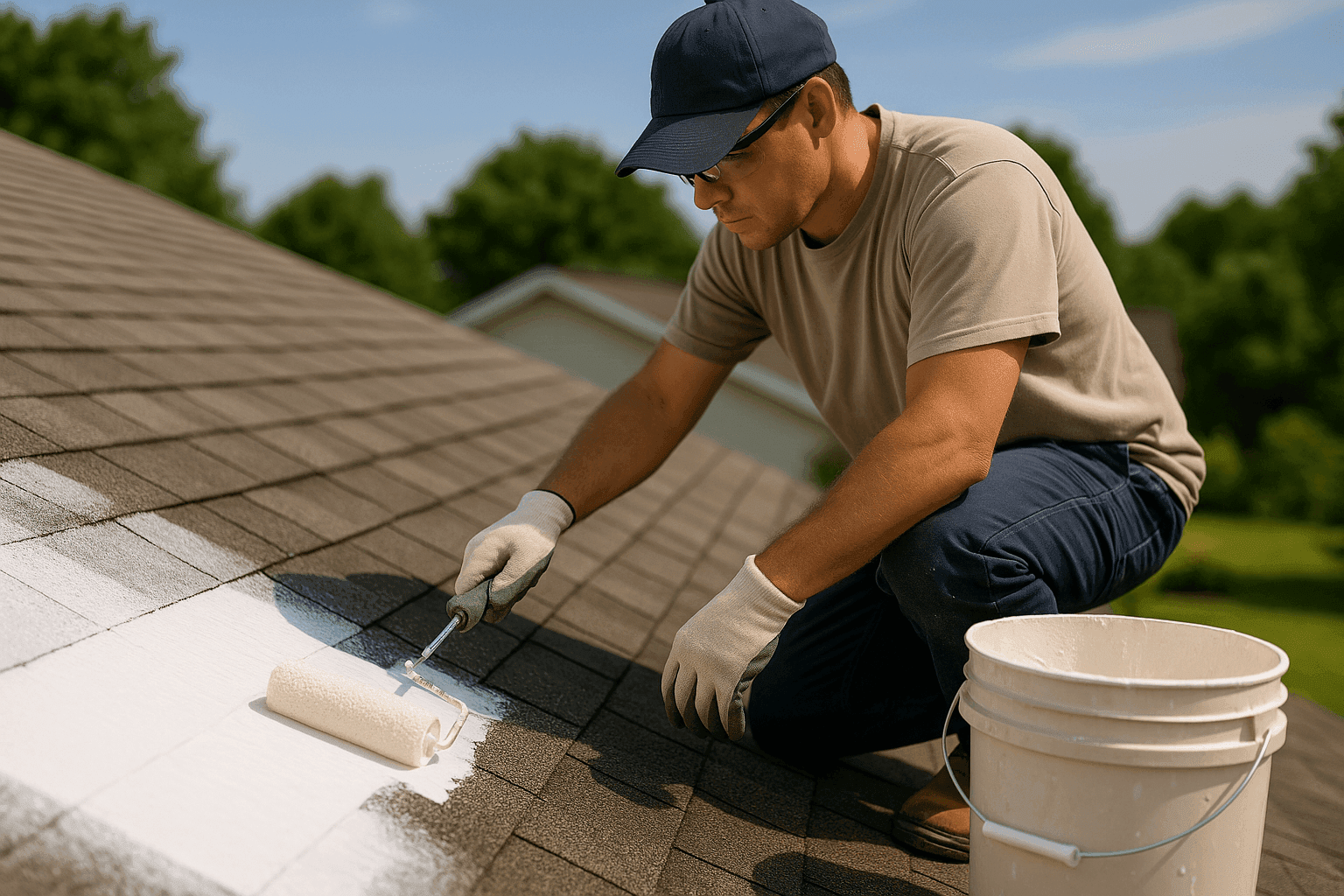
Your roof stands guard day and night—shielding your family, your business, and everything inside. But even the toughest roofs need a little help to keep out the rain, sun, and wind. That’s where the right sealants and coatings come in.
At Paul & Son Roofing, we know that a well-chosen roof coating is like a raincoat for your building. It keeps the storms out and the comfort in. But with so many options, how do you choose the best one for your roof? Let’s break it down together.
Why Roof Sealants and Coatings Matter
Think of your roof as a shield. Over time, relentless weather wears it down—sun dries out shingles, rain seeps into seams, and wind can lift even the best materials. Sealants and coatings act as armor, sealing cracks and adding a protective layer that extends your roof’s lifespan.
A well-sealed roof:
- Prevents leaks and water damage
- Reflects heat, lowering energy bills
- Stops mold and mildew in their tracks
- Reduces emergency roofing calls
Skipping this simple step can mean headaches down the road—think soaked insulation, warped decking, or even structural repairs.
Types of Roof Sealants and Coatings 🛡️
Not all roofs—or sealants—are created equal. Here’s a quick guide to the most common types and where they shine:
Acrylic Coatings
- Best for: Pitched roofs, shingle roofing, metal roofs
- Benefits: Reflects UV rays, affordable, easy to apply
- Drawbacks: Not as flexible in freezing temps
Acrylics are like sunscreen for your roof. They’re water-based, eco-friendly, and help keep your building cool. But they may crack if temperatures swing wildly.
Silicone Coatings
- Best for: Flat roofs, areas with heavy rain
- Benefits: Excellent water resistance, flexible, long-lasting
- Drawbacks: Can attract dirt, harder to recoat
Silicone is the raincoat of roof coatings. It shrugs off ponding water and keeps leaks at bay. Perfect for flat roofs or spots where puddles linger.
Elastomeric Coatings
- Best for: Metal, flat, and low-slope roofs
- Benefits: Stretches and contracts with temperature, bridges small cracks
- Drawbacks: Needs a clean surface to stick well
Elastomerics are the yoga pants of the roofing world—super flexible, moving with your roof as it expands and contracts.
Polyurethane Sealants
- Best for: High-traffic areas, commercial roofing, decking
- Benefits: Tough, resists impact and abrasion
- Drawbacks: Less UV resistant than acrylics or silicones
These sealants are the work boots—built for tough jobs and heavy use.
How to Choose the Right Product for Your Roof
Don’t just grab the first bucket you see. Here’s how to pick the best match for your roof:
1. Know Your Roof Material
- Shingle roofs: Acrylic or elastomeric work well
- Metal roofs: Elastomeric or silicone for flexibility
- Flat roofs: Silicone or polyurethane for water resistance
2. Consider Your Climate
- Hot, sunny spots: Acrylics reflect heat, keeping interiors cooler
- Rainy or snowy areas: Silicone handles standing water and ice
3. Check Roof Age and Condition
- Older roofs: Flexible coatings like elastomeric help bridge cracks
- Newer roofs: Most options work—focus on energy efficiency
4. Think About Foot Traffic
- Commercial/flat roofs: Polyurethane stands up to people and equipment
5. Eco-Friendly Choices
Look for low-VOC, water-based products. Many acrylics and some elastomerics qualify. These help your building breathe easy and can even lower cooling costs.
Quick Safety Checklist Before You Start
- Inspect for loose shingles, rust, or soft spots
- Clean the roof—dirt and debris block adhesion
- Wear non-slip shoes and use a harness if needed
- Check the weather—avoid rain for at least 24 hours after application
- Read the manufacturer’s instructions for temperature and application tips
DIY vs. Call a Pro
Some folks love a weekend project. Others want peace of mind. Here’s how to decide:
DIY Might Work If:
- Your roof is single-story, with easy access
- You have basic repair skills
- The job is small—think patching a few cracks
Call Paul & Son Roofing If:
- The roof is steep, tall, or complex
- You see signs of deep water damage or sagging
- You need emergency roofing after a storm
- You want a warranty-backed application
Remember: Working on a roof is risky. Falls are a leading cause of home injuries, according to the Occupational Safety and Health Administration (OSHA). When in doubt, call a professional.
What Pros Do On Arrival
When Paul & Son Roofing shows up, here’s what you can expect:
- Thorough Inspection: We check for leaks, weak spots, and underlying issues.
- Surface Prep: Cleaning, minor repairs, and priming if needed.
- Product Selection: We match the right sealant or coating to your roof type and climate.
- Professional Application: Even, careful coverage—no missed spots.
- Final Check: We inspect our work and advise on future maintenance.
We follow industry standards, including guidelines from the National Roofing Contractors Association (NRCA) and ASTM International.
Prevention & Maintenance: Keeping Your Roof in Shape
A little maintenance goes a long way. Here’s how to keep your roof’s armor strong:
- Inspect twice a year: Spring and fall are best.
- Clean gutters and downspouts: Blocked drainage causes leaks.
- Check for cracks or peeling: Touch up sealant as needed.
- Trim overhanging branches: Prevents debris buildup and punctures.
- Schedule professional inspections: Especially after severe weather.
Preventative maintenance can save you thousands in emergency roofing repairs.
Costs & Time Factors
Every roof is different, but here’s what to expect:
- Material costs: Range from budget-friendly acrylics to premium silicones
- Labor: DIY saves on labor, but pros ensure lasting results
- Time: Most coatings need at least a full day to cure; larger roofs take longer
- Frequency: Some coatings last 5 years, others up to 20—check the label
Investing in the right coating now can mean fewer repairs and lower energy bills later.
When It’s an Emergency 🚨
Storm just rolled through? Water dripping from the ceiling? Here’s what to do:
- Stay safe: If water is near electrical outlets, turn off power to that area.
- Contain leaks: Use buckets or towels to limit water spread.
- Call Paul & Son Roofing: Emergency roofing services can stop further damage.
- Document the damage: Take photos for insurance.
Quick action can prevent minor leaks from turning into major headaches.
FAQ: Roof Sealants & Coatings
How often should roof coatings be reapplied?
Most coatings last 5–10 years, but harsh climates or heavy sun can shorten that window. Always check the product’s specs and inspect yearly.
Can I coat over an old roof?
Yes, but the surface must be clean and sound. If there’s major damage, repairs come first.
Are eco-friendly coatings as durable?
Many are! Look for products with certifications from ENERGY STAR® or Green Seal.
Will a coating fix all leaks?
Coatings can seal minor cracks and seams. For bigger leaks or structural issues, repairs are needed before coating.
Special Considerations for This Service
- Flat roofs: Always check for ponding water—standing water can break down some coatings.
- Metal roofs: Watch for rust. Remove and treat before applying any sealant.
- Tile roofs: Use flexible, breathable coatings to avoid trapping moisture.
- Skylights, chimneys, vents: These are common leak spots. Use specialized flashing sealants.
For commercial properties, consider high-traffic formulations and schedule work during off-hours to avoid disruptions.
Choosing the right roof sealant or coating is more than a quick fix—it’s an investment in comfort, safety, and peace of mind. Paul & Son Roofing is here to help you make the best choice for your home or business, whether it’s a simple touch-up or an emergency roofing situation.
Call Paul & Son Roofing now — or reach us anytime at 877-766-7587 .