How to Extend Your Roof’s Lifespan: Essential Maintenance Tips
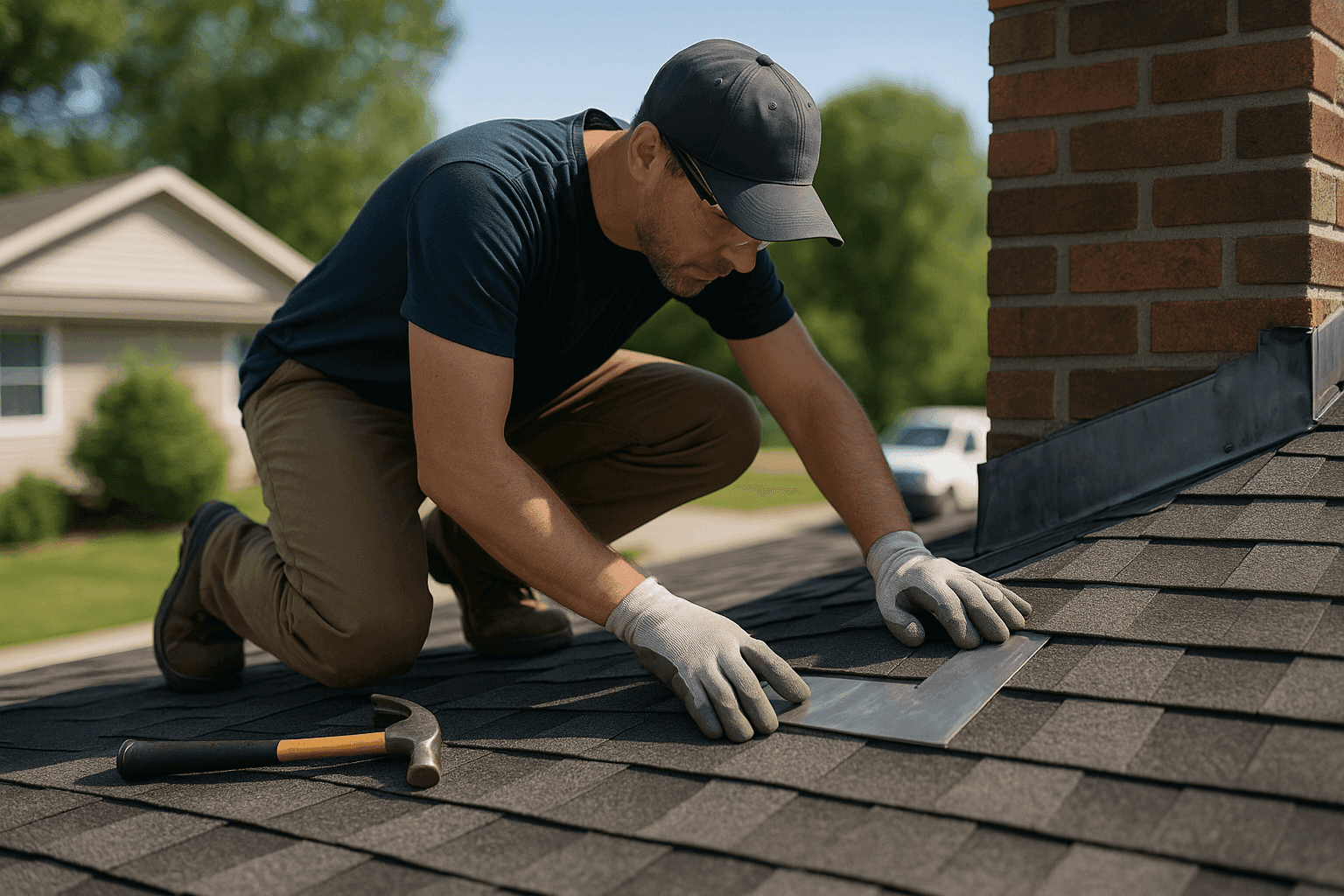
Your roof is more than just shingles and nails—it’s the shield that protects your home or business from the elements. Yet, it’s easy to forget about it until a leak drips onto the kitchen table or a storm rattles loose a few shingles. At Paul & Son Roofing, we see it all. From quick fixes to full-scale emergency roofing, we know that a little care goes a long way.
No one wants to wake up to water stains on the ceiling or scramble for a bucket during a downpour. Regular maintenance isn’t just about avoiding those stressful moments. It’s about saving money, preserving property value, and keeping your family or business safe and comfortable.
Why Roof Maintenance Matters 🏠
Think of your roof like a favorite jacket—neglect it, and it wears out faster. Routine roof care helps you avoid expensive repairs and sudden emergencies. Here’s why it pays to stay proactive:
- Save money: Small issues caught early can be fixed quickly, avoiding major repairs or total roof replacement.
- Prevent structural damage: Leaks and missing shingles can let water seep into wood, insulation, and drywall, leading to rot or mold.
- Boost property value: A well-maintained roof is a selling point for any home or business.
- Peace of mind: You can rest easy during storms, knowing you’ve done your part to protect what matters most.
According to the National Roofing Contractors Association (NRCA), regular inspections and maintenance can extend a roof’s lifespan by years—sometimes even decades.
Seasonal Maintenance Checklist
Each season brings its own challenges. Like swapping out your wardrobe, your roof needs a little attention as the weather changes. Here’s what to watch for, season by season:
Spring
- Inspect for winter damage: Look for cracked or missing shingles, loose flashing, and signs of leaks.
- Clean gutters and downspouts: Remove leaves and debris to prevent blockages.
- Check attic ventilation: Good airflow keeps moisture and mold at bay.
Summer
- Look for heat damage: Sun can warp or blister shingles, especially on older roofs.
- Trim overhanging branches: Prevent limbs from scraping or falling onto your roof.
- Inspect for pests: Birds, squirrels, or insects can make nests in vents or under eaves.
Fall
- Clear gutters again: Falling leaves are a major culprit for clogs.
- Check for moss or algae: These can trap moisture and shorten your roof’s life.
- Inspect seals and caulking: Make sure skylights, chimneys, and vents are watertight.
Winter
- Watch for ice dams: Melting snow can refreeze at the roof’s edge, causing leaks.
- Remove heavy snow: Too much weight can stress your roof’s structure.
- Look for condensation: Inadequate insulation can lead to moisture buildup inside your attic.
Inspecting for Common Issues
Spotting problems early is like catching a small leak before it becomes a flood. Here’s what to look for during your own walk-around:
- Leaks or water stains: Check ceilings and attic spaces for discoloration or dampness.
- Damaged shingles: Look for curling, cracking, or missing pieces.
- Flashing problems: Metal strips around chimneys, vents, and skylights should be tight and rust-free.
- Gutter blockages: Overflowing water is a sign your gutters or downspouts need cleaning or repair.
- Sagging or uneven rooflines: This could signal structural damage or rotting decking.
If you spot any of these warning signs, don’t wait. A minor issue can quickly turn into a major headache if left unchecked.
DIY vs Professional Help
Some maintenance tasks are safe for handy homeowners. But when it comes to heights, complex repairs, or emergency roofing situations, it’s best to call in the pros.
When DIY Makes Sense
- Cleaning gutters and downspouts (with a sturdy ladder and helper)
- Trimming small branches away from the roof
- Checking attic insulation and ventilation
- Looking for visible shingle or flashing damage from the ground
When to Call Paul & Son Roofing
- Persistent leaks or water stains
- Damaged or missing shingles that expose the roof deck
- Flashing repairs around chimneys, vents, or skylights
- Storm damage, especially after hail or high winds
- Structural concerns—sagging, bowing, or rotting wood
- Emergency roofing needs, day or night
Professional roofers have the training, safety equipment, and experience to spot problems you might miss. Plus, we follow Occupational Safety and Health Administration (OSHA) guidelines to keep everyone safe on the job.
Eco-Friendly Maintenance Options 🌱
Caring for your roof doesn’t have to mean harming the planet. Paul & Son Roofing offers sustainable solutions that protect your property and the environment:
- Low-VOC sealants and coatings: These reduce harmful fumes and provide long-lasting waterproofing.
- Reflective roof coatings: Help keep your building cooler in summer, lowering energy bills.
- Recycled roofing materials: Choose eco-friendly shingles or metal roofing options.
- Proper insulation and ventilation: Keeps your home comfortable and reduces energy use year-round.
The Environmental Protection Agency (EPA) recommends cool roofing materials and proper attic insulation as two of the most effective ways to improve energy efficiency.
The Value of Regular Professional Inspections
It’s easy to overlook small problems—until they become big ones. Scheduling regular inspections with Paul & Son Roofing means you’ll have trained eyes on every detail, from hidden leaks to subtle signs of wear.
We recommend a professional inspection at least once a year, and after any major storm. Our team checks every layer, from shingles to decking, and provides honest advice on what needs attention now—and what can wait.
Proactive Tips to Extend Your Roof’s Life
- Keep gutters clean: Clogged gutters cause water to back up and damage your roof and siding.
- Address minor repairs quickly: Don’t let small leaks or loose shingles linger.
- Maintain attic ventilation: Proper airflow prevents moisture buildup and mold.
- Trim trees regularly: Overhanging branches are a recipe for trouble.
- Schedule annual inspections: Catch problems before they escalate.
Recognizing Early Warning Signs
Don’t ignore the little hints your roof gives you. Watch for:
- Water stains on ceilings or walls
- Missing, cracked, or curling shingles
- Granules collecting in gutters (a sign of shingle wear)
- Rusted or loose flashing
- Increased energy bills (could mean insulation issues)
If you notice any of these, it’s time for a closer look—or a call to Paul & Son Roofing.
When to Call Emergency Roofing Services
Some situations can’t wait. Call for emergency roofing help if:
- Water is actively leaking into your home or business
- A tree or large branch has fallen on your roof
- Shingles or roofing material are missing after a storm
- You see signs of structural collapse (sagging, bowing, or cracking)
Paul & Son Roofing is available 24/7 for emergencies. Our team responds quickly to secure your property, prevent further damage, and begin repairs.
Frequently Asked Questions
How often should I have my roof inspected?
At least once a year, plus after major storms or severe weather events.
Can I walk on my roof to check for damage?
It’s safer to inspect from the ground or attic. Walking on your roof can cause damage or lead to injury. Leave up-close inspections to professionals.
What’s the best way to prevent leaks?
Keep gutters clean, address repairs promptly, and schedule regular inspections. Proper attic ventilation and insulation also play a big role.
Are eco-friendly roofing options as durable as traditional materials?
Yes. Many sustainable materials and coatings are just as tough—sometimes tougher—than conventional products.
Taking the Next Step
A well-cared-for roof is an investment in your property’s future. With a little attention each season and help from trusted professionals, you can avoid surprises, save money, and enjoy peace of mind year-round.
Call Paul & Son Roofing now — or reach us anytime at 877-766-7587 .